"I've travelled a lot, but nothing has re-ordered my inner life like reading Exodus on the ridges Moses walked.
The teaching was deep, the guides were the real thing, and the silence at night was the loudest thing I've ever heard."
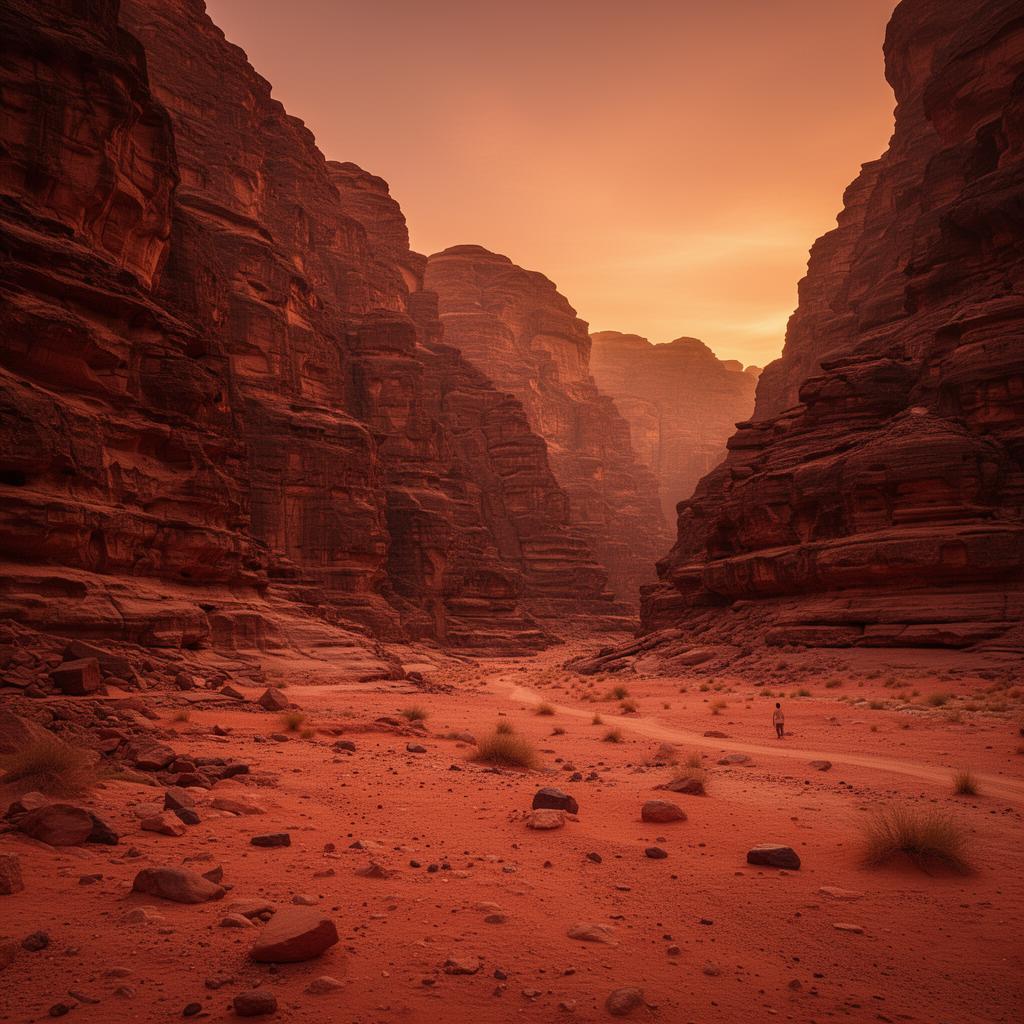
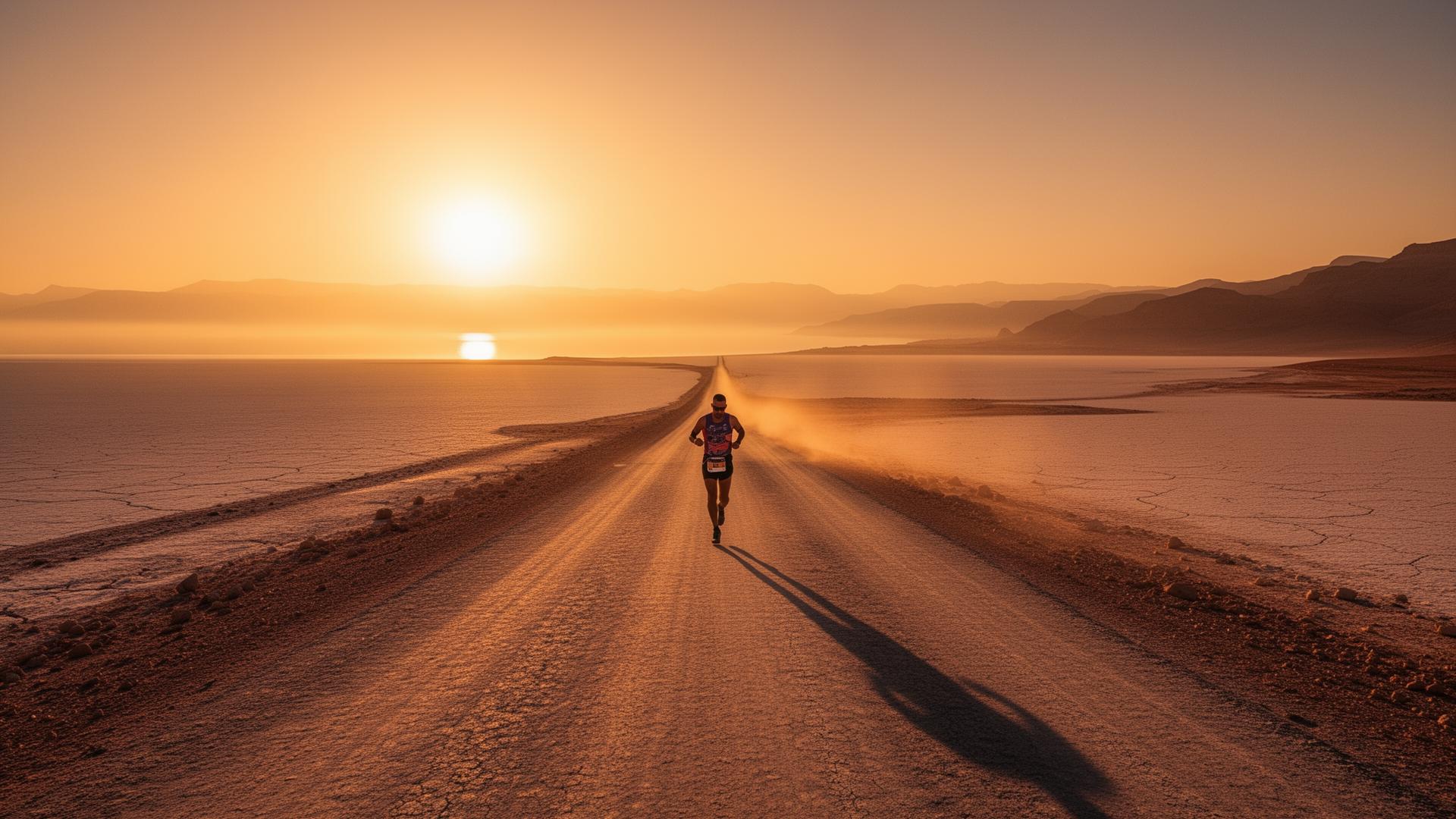
Find silence in the desert, race across pilgrim paths and experience the landscape and cultures that shaped it.
Let's go Wyld.
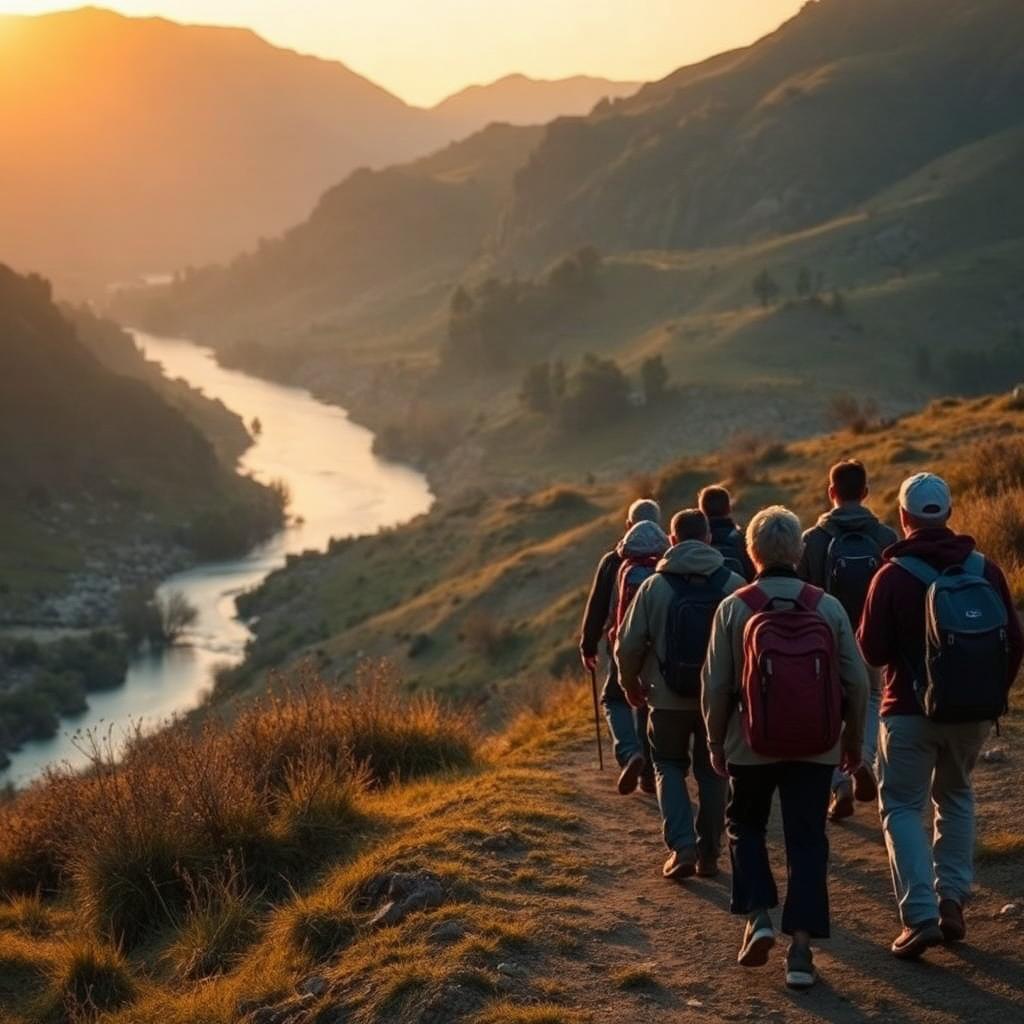
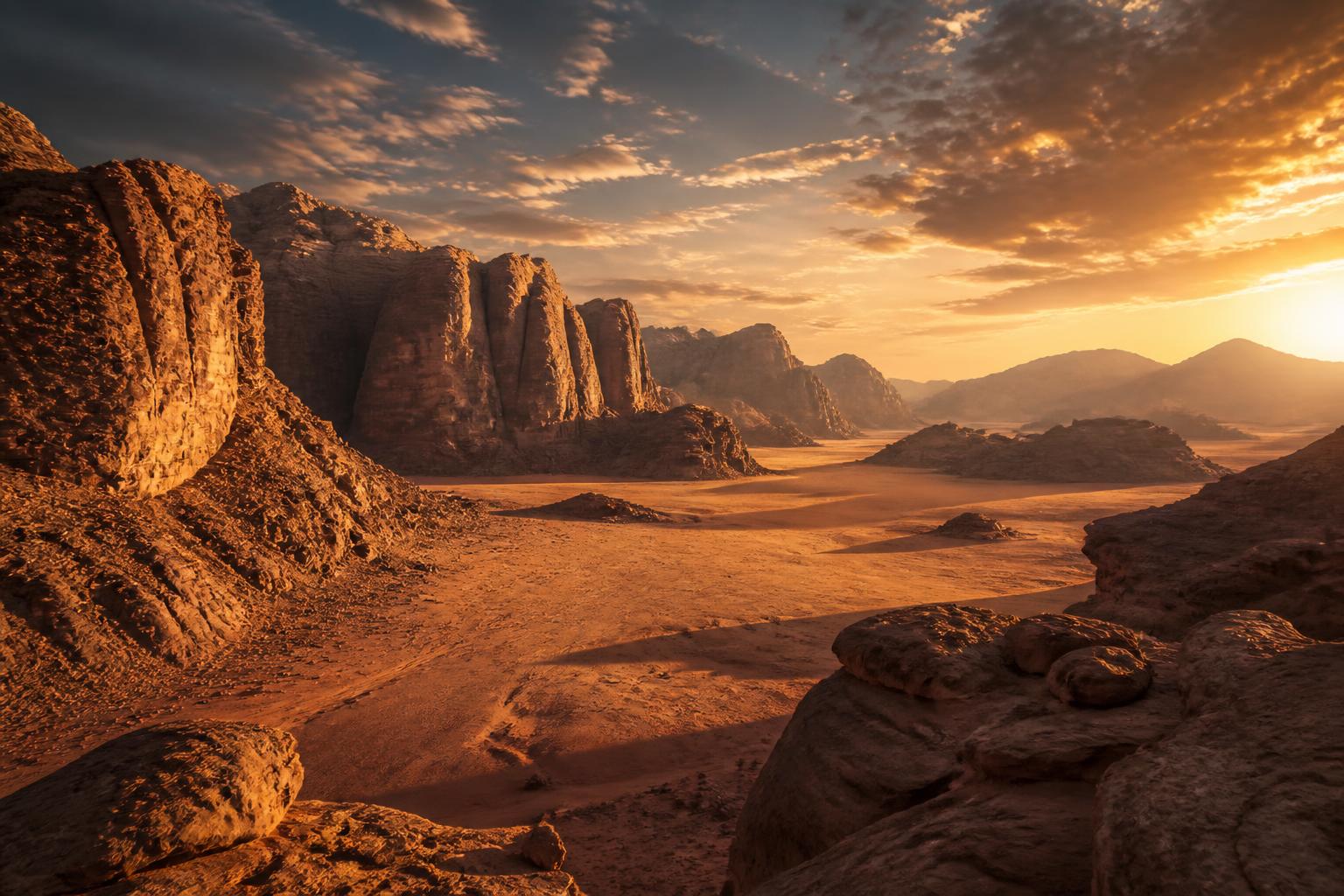
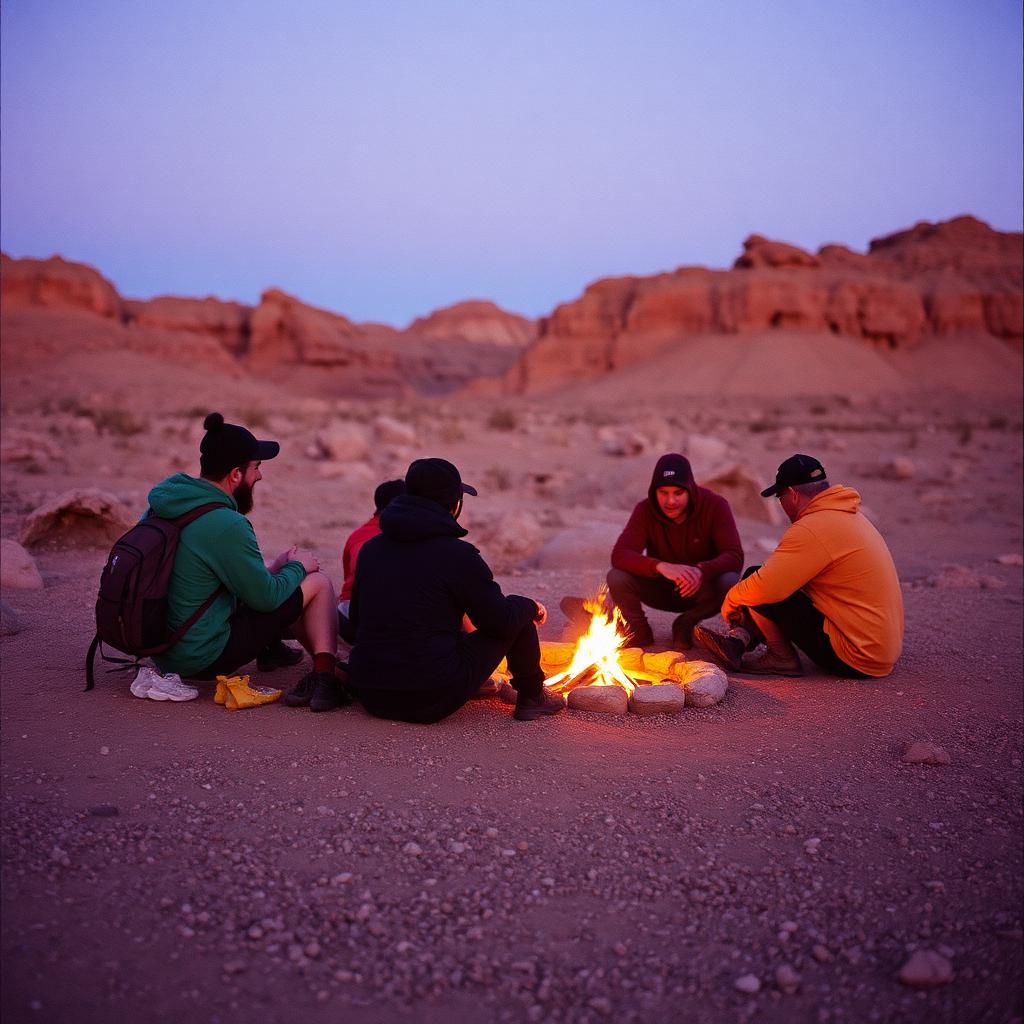
The Bible was not written in a library. It was lived on cliffs and in wadis, around fires, by people who knew how to live in places like this. Wylderness exists for pilgrims who want to read it that way — boots on, water rationed, scripture in hand.
We run one expedition at a time, with twelve people, a Bedouin guide who has spent his life in these mountains, and a teaching pastor who has spent his life in this book.
The Wylderness ethosCharacter and skills, taught by people who use them every day. No workshops in conference rooms — only firelight and sand.
Build a fire that will hold through the cold desert night. Bake taboon bread on the coals. Butcher and cook with what the land gives.
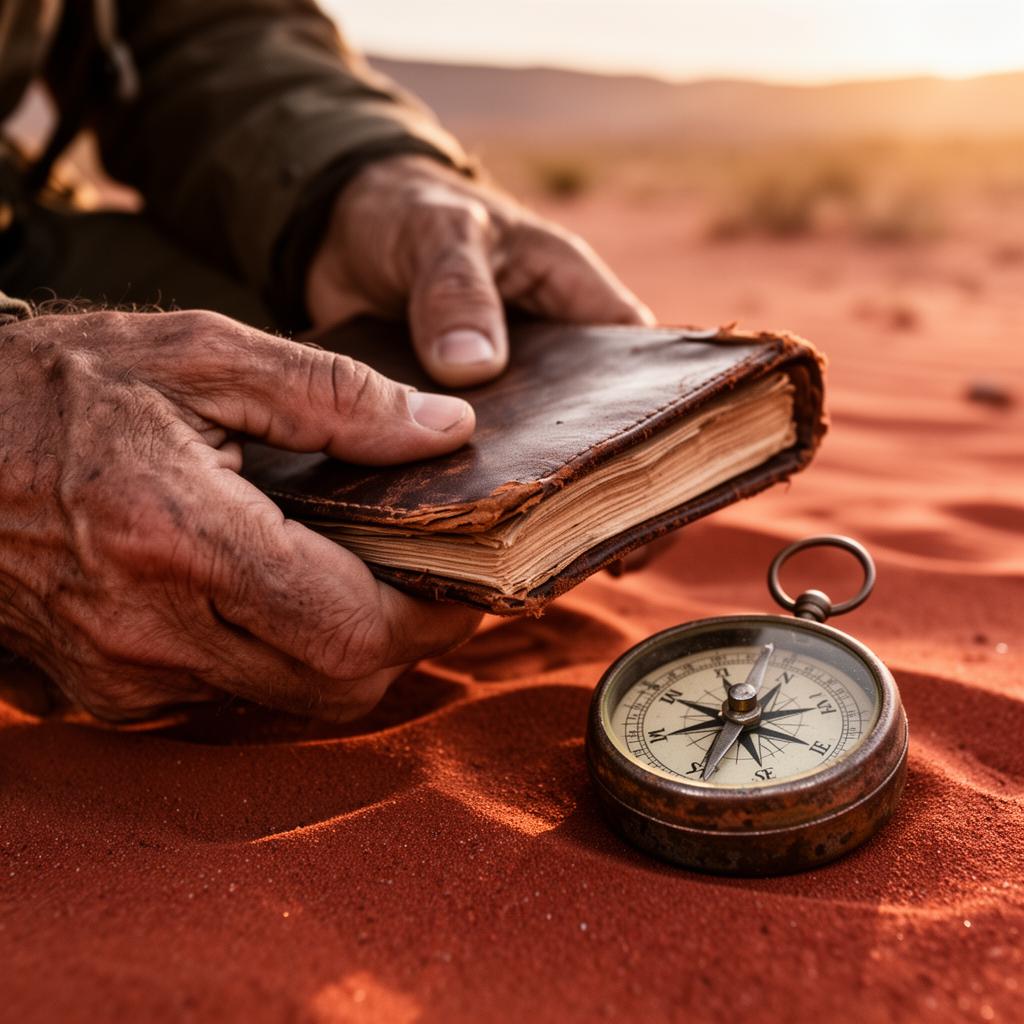
Find north without a compass. Read the constellations the patriarchs read. Move through the dark without losing the camp.
Locate springs in dry wadis. Conserve a single canteen across a hot day. Care for camels who will carry you further than you can walk.
Daily teaching from Exodus and the Pentateuch — read on the very ridges where Moses walked. Silence, journaling, and long conversation.
Optional add-on: a certified Wilderness First Aid course in the three days before departure.
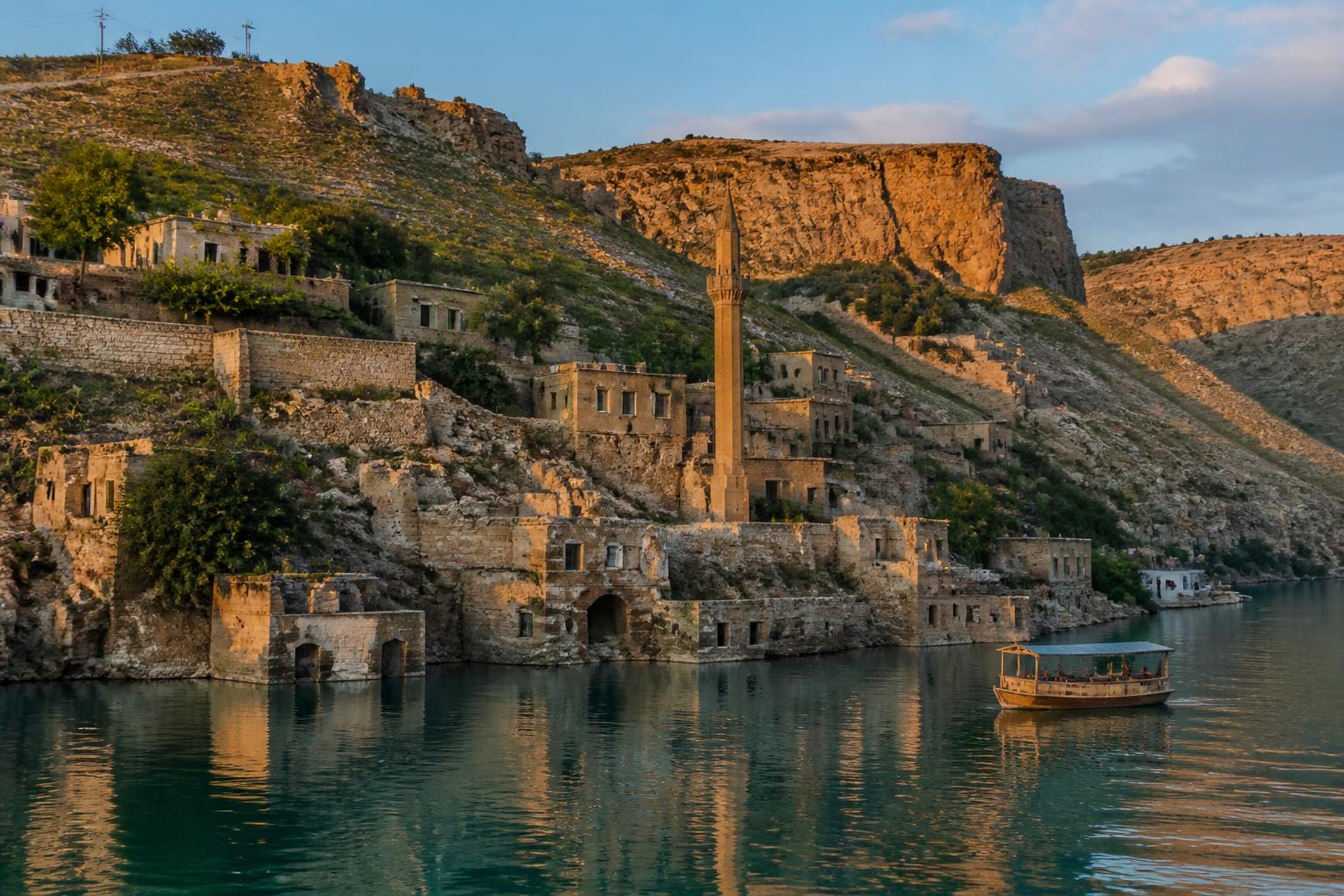
From the Euphrates to the cedars of Lebanon, from Sinai to the road to Damascus — the lands where scripture was lived are still walkable. Tap a marker to see where we're going next.

Letters from past expeditions — what we read, what broke us, what the desert returned. Long-form, slow, no algorithm.
Read the journalApplications for The Moses Journey close 1 November 2026. Rolling decisions, small cohort, high care.
Apply now